Phoenix Plumbing Pipes - Expert Pipe Repair, Replacement, and Repiping

Professional pipe services for Phoenix homes including emergency repairs, pipe replacement, and complete house repiping.

Call 602-834-1208

Your Home's Hidden Plumbing Infrastructure

Behind your walls, under your floors, and beneath your foundation runs a network of pipes delivering clean water to every fixture and carrying waste water away. These pipes are your home's plumbing lifeline—and when they fail, the consequences range from minor inconveniences to catastrophic flooding.

Phoenix Plumbing Co. specializes in pipe repair, replacement, and whole-house repiping throughout Phoenix and the Valley. Whether you're dealing with a single leaking pipe, corroded galvanized pipes that need replacement, or planning complete house repiping with modern materials, we provide expert pipe services that restore reliability to your plumbing system.

We've been repairing and replacing pipes in Phoenix since 2012. Phoenix homes face unique pipe challenges that homes in other climates don't experience. Our hard water corrodes pipes from the inside out. Our shifting soil stresses pipes buried in foundations. Our temperature extremes cause expansion and contraction that fatigues pipe materials over decades. We understand how Phoenix conditions affect different pipe materials and know which solutions work best for local homes.

Pipe repair typically takes 2-4 hours depending on the pipe's location and accessibility. Simple repairs to exposed pipes happen quickly. Pipes inside walls or under slabs take longer because we need to access them first. Whole-house repiping is a multi-day project usually taking 3-5 days depending on home size and complexity. We work efficiently to minimize disruption and restore your plumbing to full function as quickly as possible.

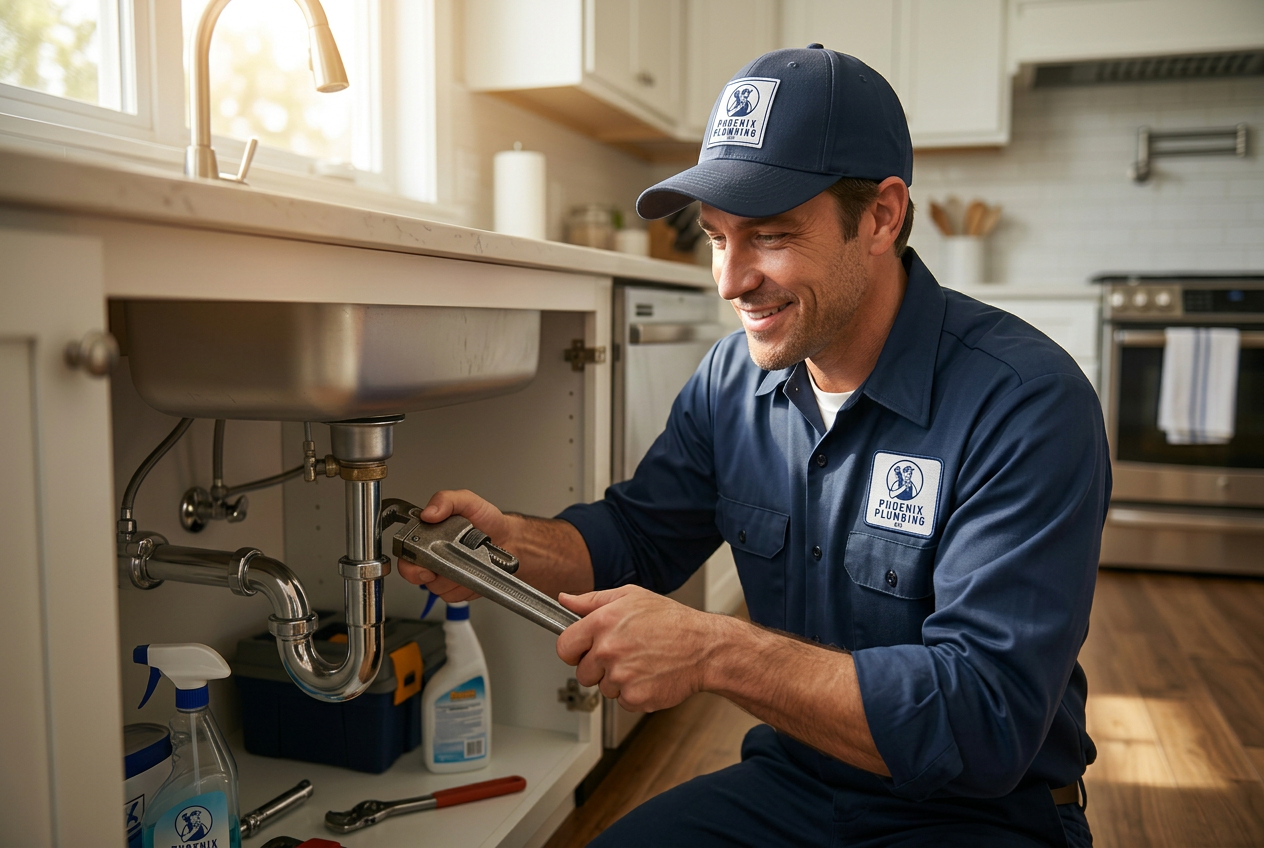
happy Phoenix homeowner with local plumber

Schedule A Service Call

Contact Us

Types of Plumbing Pipes in Phoenix Homes

Copper Pipes

Copper has been the standard plumbing pipe material for decades. Most Phoenix homes built between 1950 and 2000 have copper supply lines. Copper pipes are durable, resist bacteria growth, handle hot water well, and last 50-70 years in ideal conditions—though Phoenix's hard water reduces that lifespan to 40-50 years.

Copper pipes come in different types. Type M copper is thinnest and least expensive—commonly used in residential plumbing. Type L copper has thicker walls and costs more but lasts longer. Type K copper is thickest and used for underground applications or where maximum durability is needed.

Phoenix's hard water is copper's enemy. The minerals in our water cause pinhole leaks in copper pipes, particularly in hot water lines where heat accelerates corrosion. We see copper pipes develop pinhole leaks after 30-40 years in Phoenix homes. Once pinhole leaks start appearing, they typically multiply because the entire system's copper has reached the same corrosion stage.

Copper pipe repair involves cutting out damaged sections and soldering in new copper pipe. For isolated leaks in otherwise sound copper systems, repair makes sense. For pipes with multiple leaks or extensive corrosion, replacement with copper or modern alternatives is more cost-effective than continuous repairs.

PEX Pipes (Cross-Linked Polyethylene)

PEX is flexible plastic pipe that's become the preferred material for residential plumbing over the past 20 years. Most new Phoenix homes and repiping projects use PEX because it costs less than copper, installs faster than rigid pipe, resists corrosion from hard water, handles freezing better than copper, and has fewer connection points where leaks can develop.

PEX comes in different colors—red for hot water, blue for cold water, and white for either. The color coding helps identify lines during installation and future repairs but doesn't affect pipe performance.

PEX connection methods include crimp fittings using copper crimp rings, clamp fittings using stainless steel clamps, and expansion fittings (PEX-A) that expand to fit over fittings and contract for watertight seals. Each method has advocates, but all work reliably when installed properly.

PEX limitations include UV sensitivity (it degrades in sunlight so can't be used outdoors exposed to sun), rodent vulnerability (rats and mice can chew through it), and some plumbers' preference for copper's proven longevity. Despite these limitations, PEX has become the dominant residential plumbing pipe material.

CPVC Pipes (Chlorinated Polyvinyl Chloride)

CPVC is rigid plastic pipe used in some Phoenix homes, particularly those built in the 1980s-1990s. CPVC costs less than copper, resists corrosion, and handles hot water adequately for residential use.

However, CPVC has significant drawbacks. It becomes brittle over time, especially when exposed to Phoenix's extreme heat in attics. The pipes and fittings crack with little warning. CPVC also can't handle water temperatures above 180°F, limiting its use with some water heating systems.

We see many CPVC failures in Phoenix homes where the pipe was installed in hot attics or poorly supported. The brittle pipes crack at fittings or stress points. When CPVC systems start failing, we usually recommend complete replacement with PEX rather than patching individual failures.

Galvanized Steel Pipes

Galvanized steel pipes were standard in homes built before 1960. These pipes have zinc coating inside to prevent rust. The zinc eventually wears away—typically after 40-60 years—and the steel underneath begins corroding.

Phoenix homes with original galvanized pipes are overdue for replacement. The pipes corrode from the inside, gradually reducing internal diameter until water pressure drops to a trickle. Rust particles in water discolor it brown or orange. The pipes eventually rust through and leak.

We strongly recommend replacing galvanized pipes rather than repairing them. Once corrosion starts, the entire system is compromised. Repairing one leak doesn't stop others from developing. Complete repiping with modern materials is the only permanent solution for homes with failing galvanized pipes.

PVC and ABS Drain Pipes

PVC (white plastic pipe) and ABS (black plastic pipe) are used for drain, waste, and vent lines in most Phoenix homes. Both materials work well for drain applications, resist corrosion, and last indefinitely with proper installation.

Drain pipe problems usually stem from improper installation rather than material failure. Pipes installed without proper slope don't drain correctly. Inadequate venting causes slow drainage and gurgling. Joints not properly glued eventually leak.

We repair drain pipe leaks by cutting out damaged sections and installing new pipe. For drain systems with multiple problems indicating poor initial installation, we sometimes recommend replacing entire sections with properly sloped, vented systems that actually work correctly.

Learn More

Common Pipe Problems in Phoenix Homes

Pinhole Leaks in Copper Pipes

Pinhole leaks are tiny holes in copper pipes caused by corrosion from the inside. Phoenix's hard water and acidic water chemistry create perfect conditions for pinhole leak development. These leaks spray water forcefully because they're in pressurized supply lines, causing water damage to walls, ceilings, and floors.

Pinhole leaks typically appear in hot water lines first because heat accelerates corrosion. Once one pinhole leak appears, others usually follow because the entire system has reached the same corrosion stage. We can repair individual pinhole leaks, but homes with multiple pinhole leaks need repiping.

Pinhole leak repair involves cutting out the damaged pipe section and soldering in new copper. This works for isolated leaks in otherwise sound systems. For pipes showing multiple pinholes or extensive corrosion visible when we cut them open, replacement makes more sense than ongoing repairs.

Burst Pipes and Pipe Ruptures

Burst pipes are plumbing emergencies requiring immediate response. A burst pipe floods homes with gallons per minute of water causing extensive damage quickly. Common burst pipe causes include frozen pipes expanding until they split, corroded pipes finally giving way under pressure, excessive water pressure stressing weak spots until they fail, and physical damage from construction or accidents.

When pipes burst, the first priority is stopping water flow. We shut off the main water supply, make temporary repairs if possible to restore some water service, extract standing water to minimize damage, and then make permanent repairs or replacements.

Burst pipe repair depends on the cause. Frozen pipe bursts in Phoenix are rare but happen during extreme cold snaps when exposed pipes in attics or crawl spaces freeze. We replace the burst section and add insulation preventing future freezing. Bursts from corrosion indicate the pipe needs replacement. Bursts from high pressure are fixed by repairing the pipe and installing pressure regulators.

Corroded and Deteriorating Pipes

Pipe corrosion is a gradual process that eventually leads to failure. Copper pipes develop pinhole leaks. Galvanized pipes rust from the inside reducing flow. Even plastic pipes can deteriorate from UV exposure or chemical reactions.

Signs of pipe corrosion include discolored water indicating rust particles, reduced water pressure from corroded pipes restricting flow, visible corrosion on exposed pipes, and frequent leaks at different locations throughout the house.

Once corrosion reaches advanced stages, replacement is the only solution. You can't restore corroded pipes—you can only replace them with new materials. We help homeowners decide between replacing problem sections or repiping the entire house based on the extent of corrosion and the home's age.

Pipe Connections and Joint Failures

Many pipe leaks occur at connections rather than in the pipe itself. Soldered copper joints fail when solder deteriorates. Threaded connections loosen or corrode. Compression fittings develop leaks when ferrules fail. Glued plastic pipe joints leak when insufficient glue was used during installation.

Connection leaks are usually simple to repair. We cut out the failed connection and install a new one properly. However, frequent connection failures throughout a system indicate either poor initial installation or that the entire system is deteriorating and needs replacement.

We inspect connection types during leak repairs. Older homes sometimes have multiple generations of repairs using different connection methods—creating weak points where dissimilar materials meet. Mixing copper and galvanized steel, for example, causes galvanic corrosion at connection points.

Slab Leaks in Under-Foundation Pipes

Slab leaks are pipe leaks underneath concrete foundations. Phoenix homes are particularly prone to slab leaks because our shifting soil stresses pipes set in concrete. As the ground expands and contracts with moisture changes, rigid pipes embedded in concrete crack or develop leaks.

Slab leak symptoms include hearing water running when all fixtures are off, warm or cold spots on floors indicating hot or cold water line leaks, unexplained high water bills from continuous water loss, and cracks in walls or floors from foundation settling caused by soil erosion from the leak.

Slab leak repair options include breaking through the foundation to access and repair the leak, rerouting pipes above ground to bypass the damaged section, or in severe cases, whole-house repiping to replace all under-slab pipes. Most Phoenix homeowners choose rerouting because it's faster, less disruptive, and avoids breaking concrete inside their homes.

Pipe Repair vs. Pipe Replacement Decisions

When Pipe Repair Makes Sense

Pipe repair is cost-effective when the damage is isolated to one or two spots, the pipes are relatively new (under 20 years), the rest of the system shows no signs of deterioration, and the repair location is easily accessible.

Single pipe leaks in modern PEX systems typically just need repair—the leak probably resulted from installation error or accidental damage rather than material failure. Isolated copper pipe leaks in newer homes also merit repair rather than replacement.

Pipe repair costs $200-500 for accessible locations. This includes cutting out the damaged section, installing new pipe, and testing for leaks. Repairs to pipes inside walls or under slabs cost more because accessing the pipe requires opening surfaces.

We provide honest assessments about whether repair makes sense or if you're throwing good money after bad. A $300 repair that lasts another 10+ years is smart. A $300 repair that buys you six months before another leak develops is wasting money better spent on replacement.

When Pipe Replacement is Better

Pipe replacement makes sense when multiple leaks have occurred or are likely, pipes are old (over 30-40 years for copper, over 40 years for galvanized), the pipe material is known to fail (like old CPVC or galvanized steel), water quality has deteriorated (brown water from corroded pipes), and water pressure has dropped significantly from internal corrosion.

Replacing problem pipe sections costs more initially than repair but provides long-term solutions. New pipe with modern materials won't have the corrosion or deterioration issues that caused the original problems.

Partial repiping replaces the worst sections while leaving sound pipes alone. This works when damage is concentrated in specific areas—like hot water lines showing corrosion while cold water lines remain sound. We replace the problem sections with PEX or copper and leave good pipes in place.

The decision between repair and replacement often comes down to home age. Homes under 20 years old usually benefit from repairs. Homes over 40 years old with original plumbing usually need replacement. Homes in between require case-by-case evaluation.

Whole-House Repiping Considerations

Whole-house repiping replaces all supply pipes throughout your home. This major project makes sense when most pipes are deteriorating, you've had multiple leaks throughout the house, pipe material is known to be problematic, you're doing major renovation anyway, or you want peace of mind that pipe problems are permanently solved.

Repiping costs $4,000-8,000 for typical Phoenix homes depending on size, complexity, and materials chosen. This seems expensive until you consider the alternative—paying $300-500 repeatedly for individual leak repairs over years, dealing with water damage from unexpected leaks, and living with the stress of wondering when the next leak will occur.

We explain repiping economics clearly. If you've already spent $1,500 repairing three leaks in the past two years and more leaks seem inevitable, spending $6,000 on repiping provides permanent solutions and saves money long-term.

Repiping is less disruptive than homeowners fear. We cut access holes in walls to run new pipes, make final connections at fixtures, test everything thoroughly, and patch access holes. Most homeowners continue living in their homes during repiping—we work room by room maintaining water service to unaffected areas.

Cost-Benefit Analysis

We help homeowners analyze repair versus replacement decisions by comparing immediate repair costs versus long-term replacement costs, considering how long repairs will last versus new pipe lifespan, evaluating water damage risks from future leaks, and assessing home value impact of old deteriorating plumbing versus modern systems.

Sometimes the decision is obvious—a 60-year-old home with original galvanized pipes needs repiping. Other times it's less clear—a 25-year-old home with one copper pinhole leak might repair fine or might be the first of many failures.

We provide recommendations based on what we'd do in our own homes. This honest advice helps homeowners make informed decisions aligned with their budgets and long-term plans.

Whole-House Repiping Process

Initial Assessment and Planning

Repiping projects start with thorough assessment of your existing plumbing system. We identify all supply lines needing replacement, determine the best routes for new pipes, plan access points minimizing wall damage, choose appropriate pipe materials and sizes, and create detailed project timelines and cost estimates.

During assessment, we consider fixture locations, water heater position, main water line entry point, and architectural features affecting pipe routing. We plan pipe routes that minimize visible access holes and avoid structural complications.

We discuss material choices with homeowners. Most choose PEX for its cost-effectiveness and proven performance. Some prefer copper for its traditional reliability and potential home value benefits. We explain pros and cons of each material helping homeowners choose what's right for their homes.

Pipe Removal and Installation

Repiping happens in phases to maintain partial water service during work. We typically work room by room or floor by floor so homeowners still have water to unaffected areas.

The process includes shutting off water to work areas, cutting access holes in walls where needed, removing old pipes from working areas, installing new pipes following planned routes, making connections at all fixtures, testing new sections thoroughly before closing walls, and moving to the next section.

We install new pipes with proper support preventing sagging, adequate insulation in unconditioned spaces, shutoff valves at strategic locations for future maintenance, and room for thermal expansion preventing stress on connections.

Modern repiping often routes pipes through attics or crawl spaces rather than inside walls when possible. This provides easier future access and minimizes interior wall damage. However, Phoenix's extreme attic temperatures require careful insulation of hot water lines preventing heat loss and cold water lines preventing warming.

Testing and Quality Assurance

After installing new pipes, thorough testing ensures everything works correctly before we close walls. We pressure test all supply lines checking for any leaks, test water flow and pressure at all fixtures, verify all shutoff valves operate properly, check for proper pipe support and secure connections, and run water through all drains ensuring proper flow.

We maintain test pressure above normal operating pressure for several hours. Any pressure drop indicates a leak somewhere. We find and fix leaks before finishing walls. This testing prevents callbacks for leaks discovered after walls are closed.

We also verify water heater connections, washing machine hookups, refrigerator ice maker lines, and any other plumbed connections work correctly with new pipes.

Wall Repair and Finishing

After testing confirms everything works perfectly, we repair access holes cut during installation. This includes patching drywall to match existing walls, texturing patches to match surrounding surfaces, priming and painting patches to blend with existing paint, and cleaning up all work areas thoroughly.

Some homeowners choose to handle finishing work themselves to save money. We make clean cuts and provide detailed locations of all access points. Homeowners can patch and paint at their convenience.

For homeowners wanting turnkey service, we coordinate with drywall contractors and painters completing all finishing work so homes look like repiping never happened.

Final Walkthrough and Documentation

Every repiping project ends with final walkthrough where we demonstrate the new system to homeowners. We show locations of new shutoff valves, explain how the new system works, provide maintenance recommendations for the new pipes, and answer any questions about the installation.

We provide documentation including diagrams showing new pipe routes, locations of all shutoff valves, material specifications and warranties, and recommendations for maintaining the new system.

This documentation is valuable for future reference—both for homeowners and for future plumbers who might work on the house.


Piping FAQs


How do I know if I have a pipe leak?

Common signs include water stains, damp walls, mold smells, low water pressure, or a higher-than-normal water bill. If you notice any of these, it’s best to have your pipes inspected.


Do you repair or replace pipes?

Yes. We handle both pipe repair and full pipe replacement in Phoenix. We’ll always inspect first and recommend the most cost-effective solution based on the condition of your pipes.


What causes pipes to fail in Phoenix homes?

Hard water, aging pipes, ground movement, corrosion, and high water pressure are common causes of pipe damage in Phoenix.


Can you fix pipes behind walls or under concrete?

Yes. We specialize in locating and repairing hidden pipes, including slab leaks, with minimal disruption to your home whenever possible.


Should I replace old pipes before they leak?

If your home has aging or corroded pipes, proactive replacement can prevent costly water damage and emergency repairs later.


How long does pipe repair usually take?

Many pipe repairs can be completed the same day. Larger replacements may take longer depending on access and pipe length.


Do pipe issues affect water pressure?

Yes. Leaks, corrosion, or damaged pipes often cause low or inconsistent water pressure throughout your home.


Are your pipe repairs up to code?

Absolutely. All pipe repairs and replacements are completed to meet Phoenix and Arizona plumbing code requirements.


Do you offer emergency pipe repair?

Yes. If you have a burst pipe or active leak, our emergency plumbing Phoenix team can respond quickly to limit damage.


How can I prevent future pipe problems?
Regular plumbing inspections, proper water pressure, and addressing small leaks early can extend the life of your piping system.


Pipe Materials Comparison for Phoenix Homes

PEX vs. Copper: Which is Better?

The PEX versus copper debate has strong advocates on both sides. Both materials work well in Phoenix homes with proper installation. The best choice depends on your priorities, budget, and personal preferences.

PEX advantages include lower material cost (40-60% less than copper), faster installation reducing labor costs, flexibility allowing easier routing through walls, fewer connection points reducing leak potential, and better resistance to Phoenix's hard water.

Copper advantages include proven 70+ year track record, higher perceived value for home resales, resistance to rodent damage, no UV sensitivity concerns, and traditional plumber familiarity.

For most Phoenix homeowners, PEX is the practical choice for whole-house repiping. The cost savings are substantial—a $6,000 PEX repipe versus $9,000-12,000 copper repipe. Both materials will outlast most homeowners' time in the house, so the lower cost option makes financial sense.

However, homeowners planning to stay in homes for decades or concerned about maximum home value might choose copper despite higher costs. Luxury homes particularly often use copper for perceived quality.

Understanding Pipe Sizing

Proper pipe sizing ensures adequate water pressure and flow throughout your home. Undersized pipes restrict flow creating low pressure. Oversized pipes waste money and materials without providing benefits.

Standard residential pipe sizing includes 3/4 inch for main supply lines from water meter to the house, 1/2 inch for individual fixture supply lines (most common), and 3/8 inch for toilet and sink connections.

Larger homes or homes with high water demand sometimes need 1-inch main lines. Homes with multiple bathrooms, irrigation systems, and water-using appliances benefit from larger supply pipes maintaining pressure when multiple fixtures run simultaneously.

We calculate proper sizing during repiping planning ensuring your new system delivers adequate water pressure and flow to all fixtures under all use conditions.

Drain Pipe Materials and Sizing

While supply line repiping gets most attention, drain lines sometimes need replacement too. Homes with failing drain lines benefit from drain system upgrades during repiping projects.

PVC is standard for drain lines in modern installations. It's durable, affordable, and lasts indefinitely. ABS works similarly and is code-approved in Phoenix. Both materials greatly outlast old cast iron or galvanized drain pipes.

Drain pipe sizing is critical for proper function. Toilets need 3-inch drain lines minimum. Bathroom sink drains use 1-1/4 to 1-1/2 inch pipe. Kitchen sinks and tubs typically use 1-1/2 inch drains. Main drain lines are usually 3-4 inches.

Proper drain slope matters more than pipe material. Drains need 1/4 inch drop per foot of horizontal run for proper flow. Too flat and water sits in pipes. Too steep and water outruns solids leaving waste behind.

Pipe Insulation Needs in Phoenix

Phoenix's extreme temperatures require thoughtful pipe insulation. Hot water lines in unconditioned attics lose tremendous heat without insulation—wasting energy and making you wait longer for hot water at fixtures. Cold water lines in hot attics warm up making cold water tepid.

We insulate hot water lines throughout unconditioned spaces maintaining water temperature and reducing energy waste. Foam pipe insulation is inexpensive and dramatically improves efficiency.

Cold water line insulation prevents warming in hot attics and helps prevent condensation in humid conditions. While Phoenix isn't humid most of the year, monsoon season creates conditions where uninsulated cold pipes can sweat.

Insulation also provides freeze protection for pipes in rare Phoenix freeze events. While we don't experience the extreme cold that northern climates do, overnight freezes occasionally damage exposed pipes in unheated spaces.

Book a service →

Schedule Pipe Service in Phoenix Today

Whether you need emergency pipe repair, are considering pipe replacement, or want to discuss whole-house repiping options, Phoenix Plumbing Co. provides expert pipe services throughout the Phoenix Valley.

Call 602-834-1208 to schedule pipe inspection, repair, or request a repiping estimate.

We serve Phoenix homeowners with professional pipe services including emergency leak repairs, pipe replacement, complete house repiping, and pipe material upgrades. Licensed, insured, and experienced with all pipe types and materials.

Phoenix Plumbing Co. has been repairing and replacing pipes in Phoenix since 2012. We understand how Phoenix conditions affect different pipe materials and provide solutions that last.

Maintaining Your Home's Pipes

Protecting Pipes from Phoenix Hard Water

Phoenix's hard water is pipes' worst enemy—particularly copper pipes. The minerals cause corrosion, scaling, and deterioration accelerating pipe failure.

Water softener installation is the best protection for pipes. Softened water doesn't deposit minerals or cause the corrosion that hard water creates. Homes with water softeners see dramatically extended pipe life—copper pipes lasting 60-70 years instead of 40-50 years.

Without whole-home water softening, other protections help minimize hard water damage. Regular water heater flushing removes mineral-laden sediment. Occasional pipe flushing by opening drain valves removes accumulated deposits. Maintaining water pH reduces corrosive conditions.

We recommend water softeners to all Phoenix homeowners, especially those with copper pipes or planning repiping. The softener protects your investment in new pipes ensuring they last their full expected lifespan.

Preventing Pipe Damage

Simple precautions prevent most pipe damage. Avoid chemical drain cleaners that corrode pipes over time. Insulate pipes in unconditioned spaces preventing temperature extremes. Install pressure regulators if water pressure exceeds 80 PSI. Support pipes properly preventing sagging and stress. Keep trees away from sewer and water lines preventing root intrusion.

We also recommend knowing where your main water shutoff is located and testing it annually. A stuck shutoff valve is useless during emergencies. Annual operation keeps valves working and prepares you for emergencies.

Pipe protection is especially important during home renovations. We've seen countless pipes damaged during construction—nails through walls hitting pipes, saw cuts hitting pipes in walls, and demolition damaging pipes. We recommend professional pipe location before any wall penetrations during renovations.

When to Call for Pipe Service

Call for professional pipe service when you notice reduced water pressure throughout the house, discolored water indicating pipe corrosion, visible leaks from pipes, sounds of running water when fixtures are off, damp spots on walls, floors, or ceilings, or unexplained water bill increases.

Early intervention prevents small pipe problems from becoming major damage. A small leak caught early might need simple repair. The same leak ignored for months causes water damage costing thousands to remediate.

Annual Plumbing Inspections

Annual plumbing inspections catch pipe problems before they fail. During inspections, we examine all visible pipes checking for corrosion, leaks, or deterioration. We test water pressure identifying restrictions from corroding pipes. We look for signs of hidden leaks suggesting pipe problems inside walls.

For older homes, annual inspections provide early warning about pipes approaching end of life. We can plan repiping proactively on your schedule rather than reactively during emergencies.

Pipe Warranties and Guarantees

We warranty our pipe repair and repiping work ensuring it performs as promised. Labor warranties typically cover our work for one year—if our installation develops problems, we fix it at no charge.

Material warranties vary by manufacturer. PEX manufacturers typically provide 25-year warranties. Copper pipe comes with implied warranties based on its proven longevity.

We also offer extended warranty options for repiping projects. These provide additional peace of mind ensuring your investment is protected long-term.