Gas Line Installation and Repair Phoenix - Safe, Code-Compliant Gas Work

Professional gas line services for Phoenix homes and businesses. Licensed plumbers for safe, reliable gas installations and repairs.

Call 602-834-1208

Gas Line Work Requires Expertise and Licensing

Natural gas powers many Phoenix homes—heating water, cooking food, drying clothes, and warming homes during winter. Gas appliances cost less to operate than electric equivalents, making natural gas an economical choice for many households. However, gas line work is serious business requiring specialized licensing, training, and respect for the dangers involved.

Phoenix Plumbing Co. provides licensed gas line installation and repair services throughout Phoenix and the Valley. Our plumbers hold the required Arizona licenses for gas work and have extensive experience installing gas lines for new appliances, repairing gas leaks, testing gas systems for safety, and upgrading gas infrastructure in older homes.

We've been installing and repairing gas lines in Phoenix since 2012. Gas work demands precision and adherence to strict safety codes. Improper gas installations create serious hazards including gas leaks, fires, explosions, and carbon monoxide poisoning. We take gas work seriously, following all code requirements and testing every installation thoroughly before considering the job complete.

Most gas line installations for single appliances take 2-4 hours depending on the distance from existing gas lines to the new appliance location. Larger projects like installing gas service to homes currently on all-electric systems take 1-2 days. Gas leak repairs require immediate response—we treat gas leaks as emergencies requiring same-day service to eliminate safety hazards.

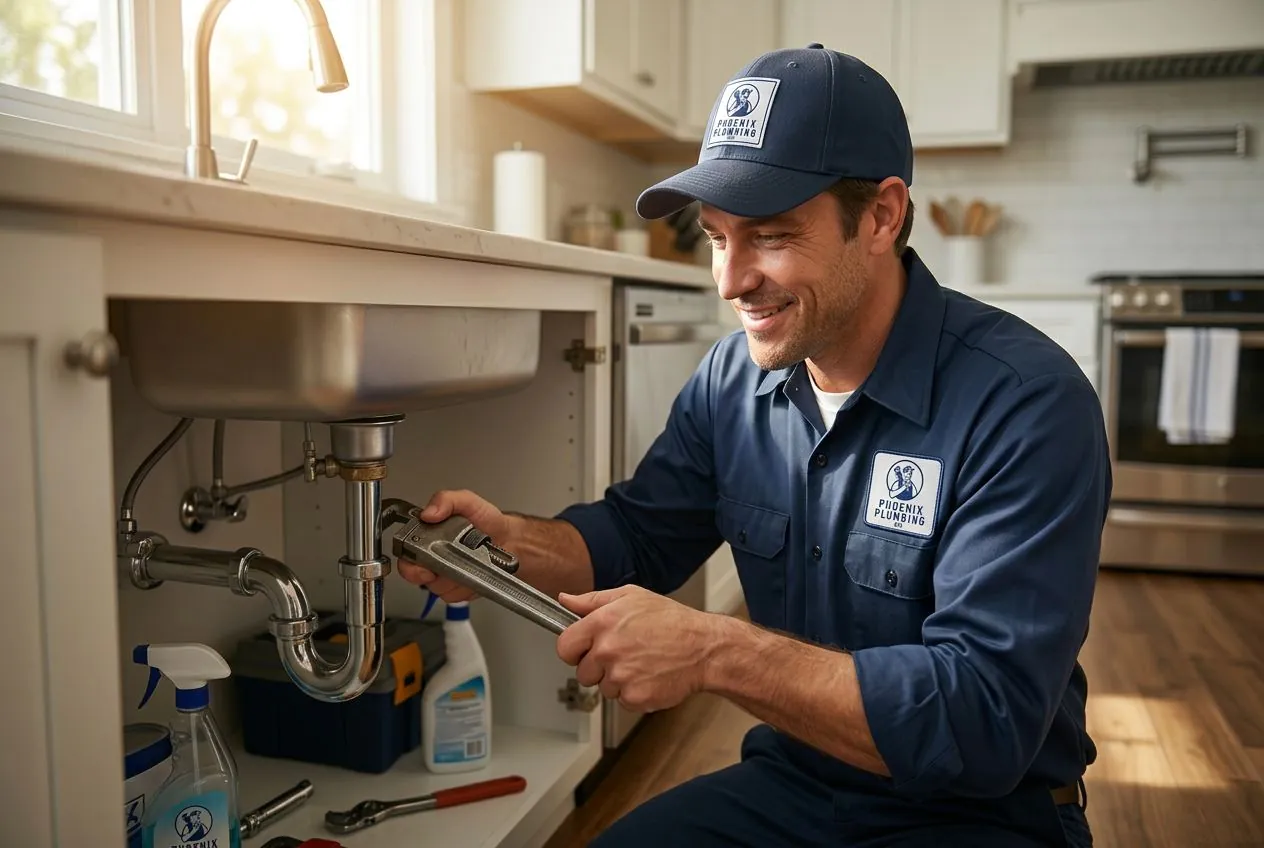
happy Phoenix homeowner with local plumber

Schedule A Service Call

Contact Us

Gas Line Installation Services

Gas Appliance Connections

We install gas lines for all residential and commercial gas appliances. Common installations include gas ranges and cooktops for kitchens, gas clothes dryers, tankless and tank gas water heaters, gas furnaces and heating systems, gas fireplaces and fireplace inserts, outdoor gas grills and barbecues, and pool and spa heaters.

Each appliance type requires specific gas line sizing, proper venting, and code-compliant connections. We calculate gas demand for each appliance ensuring adequate gas supply and proper pressure. Undersized gas lines restrict flow causing poor appliance performance. Oversized lines waste materials and money.

Gas appliance installation includes running gas pipe from existing gas lines to the appliance location, installing shutoff valves within reach of appliances as required by code, making final connections to appliances with proper fittings, pressure testing all new lines for leaks, and verifying proper appliance operation.

We install flexible gas connectors for appliances like ranges and dryers that may need to be moved occasionally. These CSST (Corrugated Stainless Steel Tubing) connectors provide flexibility while maintaining safe gas delivery. For permanent installations like water heaters and furnaces, we use rigid black iron pipe or CSST depending on the application.

Kitchen Gas Line Installation

Kitchen gas ranges provide superior cooking control compared to electric ranges. Professional chefs prefer gas for its instant heat adjustment and even heating. We install gas lines for residential ranges, commercial-style home ranges with higher BTU output, cooktops without ovens, and range/oven combinations.

Kitchen gas line installation requires running pipe from the nearest gas source to the range location, installing a shutoff valve accessible without moving the range, sizing the line for the range's BTU rating, and ensuring proper clearances from combustible materials.

Commercial-style home ranges require larger gas lines than standard ranges due to higher BTU burners. We verify your existing gas service can support high-BTU ranges before installation. Sometimes upgrading the gas meter or main gas line is necessary for very high-demand appliances.

Gas Water Heater Installation

Gas water heaters cost less to operate than electric water heaters in Phoenix. Natural gas typically costs less per BTU than electricity, so gas water heaters save money monthly on utility bills. We install gas lines for tank water heaters, tankless water heaters requiring higher gas flow rates, and commercial water heating systems.

Gas water heater installation is more complex than electric installation because it involves gas connections, proper venting for combustion gases, and ensuring adequate combustion air. We handle all aspects ensuring safe, code-compliant installations.

Tankless gas water heaters demand substantial gas flow—much more than tank water heaters. We verify your gas service can handle the demand and upgrade gas lines if necessary. Undersized gas lines prevent tankless heaters from operating at full capacity.

Gas Dryer Installation

Gas dryers cost less to operate than electric dryers and dry clothes faster due to higher heat output. We install gas lines for residential clothes dryers in laundry rooms, including running gas pipe from existing lines, installing required shutoff valves, making connections with flexible gas connectors allowing dryer movement, and verifying proper venting for dryer exhaust.

Gas dryer installation is straightforward when laundry rooms already have gas stubouts. For laundry rooms without existing gas, we run new lines from the nearest gas source. This typically involves running pipe through walls, under floors, or through crawl spaces to reach the laundry room.

Outdoor Gas Line Installation

Outdoor gas lines bring the convenience of natural gas to patios and outdoor living spaces. We install gas lines for built-in BBQ grills and outdoor kitchens, patio heaters extending outdoor season comfort, fire pits and fire tables creating ambiance, and outdoor fireplaces.

Outdoor gas line installation requires burial to code-required depths (typically 12-18 inches), protective sleeves where pipes cross under driveways or walkways, outdoor-rated materials resistant to weather and corrosion, and proper shutoff valves accessible for winter shutdown.

Underground gas lines must be located and marked before any digging. We coordinate with Blue Stake utility location services ensuring safe excavation that doesn't damage existing utilities.

Converting from Electric to Gas

Many Phoenix homeowners convert electric appliances to gas for lower operating costs. Common conversions include electric water heaters to gas, electric ranges to gas ranges, and electric dryers to gas dryers.

Conversion requires purchasing gas appliances to replace electric ones and installing gas lines to appliance locations. We handle the gas line portion of conversions. You'll need electricians to handle any electrical work removing old electric service.

We help homeowners calculate whether conversions make financial sense. Gas appliances typically cost more initially than electric equivalents, but lower operating costs usually recover the difference within 5-10 years. For high-use appliances like water heaters, payback happens faster.

Learn More

Gas Line Repair and Leak Detection

Gas Leak Detection Services

Gas leaks are serious safety hazards requiring immediate professional attention. Natural gas is odorless—the distinctive "rotten egg" smell is an added odorant called mercaptan that helps detect leaks. If you smell gas, evacuate immediately, don't use electrical switches or create sparks, call 911 and your gas company from outside, and call us for repairs after the gas company secures the immediate hazard.

We provide professional gas leak detection using electronic leak detectors sensing gas concentrations too small for human detection, soap bubble testing at connections and joints, pressure testing isolating leaks in gas systems, and thermal imaging cameras detecting temperature changes from escaping gas.

Small gas leaks you can't smell still waste money and create hazards. Annual gas line testing during plumbing inspections catches these minor leaks before they become dangerous or waste significant gas.

Gas leak sources include corroded pipes developing holes over time, failed connections at threaded joints, damaged flexible gas connectors, and failed shutoff valves leaking internally or externally.

Gas Line Repair

Gas line repairs address leaks and damage restoring safe gas service. Repair methods depend on the leak's location and cause. For leaks at threaded connections, we tighten connections if possible or remake connections with new pipe dope or Teflon tape if tightening doesn't solve the problem.

For leaks in gas pipes themselves, we cut out damaged sections and install new pipe. Gas leaks in pipes usually indicate corrosion requiring pipe replacement rather than patching. We don't patch gas leaks—we make permanent repairs eliminating the hazard completely.

Failed shutoff valves get replaced rather than repaired. A leaking shutoff valve can't be trusted for future emergencies. We install new valves ensuring reliable operation when you need to shut off gas quickly.

Flexible gas connector damage requires complete connector replacement. These connectors can't be repaired—any damage means replacement. We keep common sizes on our trucks for immediate replacement of failed connectors.

Gas Pressure Testing

After any gas line installation or repair, we perform pressure testing ensuring the system is leak-free. Pressure testing involves closing all shutoff valves isolating the test section, pressurizing the gas lines with air or nitrogen above normal operating pressure, monitoring pressure for required time periods (typically 15-30 minutes), and confirming zero pressure drop indicating no leaks.

Any pressure drop during testing indicates leaks somewhere in the system. We locate and repair all leaks before allowing gas service. This thorough testing prevents the dangerous situation of completing work only to discover leaks when gas flows through the system.

Building inspectors require pressure testing for all new gas installations and major repairs. We document test results for inspection records.

Emergency Gas Leak Response

Gas leaks require emergency response. We provide 24/7 emergency service for gas leaks because they can't wait until business hours. When you call for emergency gas service, we respond immediately to eliminate the hazard.

Emergency gas leak service includes safely accessing the property after evacuation, locating the leak source using detection equipment, stopping gas flow if the gas company hasn't already, making emergency repairs to eliminate the leak, testing thoroughly ensuring safety before restoring gas service, and following up to verify no other leaks exist.

We coordinate with Southwest Gas or your gas company. They typically shut off gas at the meter when called for leaks. After we make repairs, the gas company returns to restore service and verify safety.

Gas Line Safety and Code Requirements

Phoenix Gas Code Requirements

Gas line installation in Phoenix follows strict codes ensuring safety. Key code requirements include licensed plumbers performing all gas work, permits for all new gas line installations and major repairs, pressure testing all new installations before use, proper pipe sizing for appliance demand, and shutoff valves within reach of all appliances.

Additional requirements include proper pipe support preventing sagging, correct burial depths for underground lines, approved materials for gas service (black iron pipe, CSST, or copper in some applications), proper venting for all gas appliances, and adequate combustion air for gas appliances.

We handle all permit applications and coordinate required inspections. Gas work failing inspection creates liability issues and insurance problems. Our installations pass inspection the first time because we follow code requirements precisely.

Gas Pipe Materials and Specifications

Approved gas pipe materials include black iron pipe (most common for residential), CSST (Corrugated Stainless Steel Tubing) for flexible installations, and copper in some applications though rarely used for gas.

Black iron pipe is threaded steel pipe specifically manufactured for gas service. It's durable, code-approved, and handles all gas pressures. Black iron requires threaded connections using pipe dope or approved tape for sealing.

CSST is flexible stainless steel tubing that's easier to route through walls and spaces than rigid pipe. It costs more than black iron but installs faster. CSST requires special fittings and installation training—not all plumbers are certified for CSST installation. We're certified and experienced with CSST installations.

Galvanized pipe is prohibited for gas lines even though it looks similar to black iron pipe. The galvanizing flakes off inside gas lines potentially clogging appliance valves. Only black iron pipe is approved for gas service.

Proper Gas Line Sizing

Correct gas line sizing ensures adequate gas delivery to appliances. Undersized lines restrict flow causing poor appliance performance—burners won't reach full heat, water heaters take longer to heat water, and furnaces can't maintain temperature.

Gas line sizing considers appliance BTU ratings, total gas demand if multiple appliances might run simultaneously, pipe length from gas source to appliances, and pipe material and type.

We use sizing charts accounting for all these factors ensuring your gas lines deliver adequate volume and pressure to all appliances under all use conditions. This engineering is critical for proper system performance.

Combustion Air and Venting

All gas appliances need adequate combustion air and proper venting for combustion gases. Inadequate combustion air causes incomplete combustion creating carbon monoxide. Improper venting allows carbon monoxide and other combustion gases to enter your home.

We verify adequate combustion air when installing gas appliances. Rooms need sufficient air volume for combustion or dedicated combustion air vents bringing outside air in. Tight, well-sealed modern homes sometimes need mechanical combustion air systems.

Gas appliance venting must meet manufacturer specifications and code requirements. Water heaters, furnaces, and other appliances need properly sized vents extending through roofs or walls. We inspect venting during gas line installations ensuring everything meets safety standards.

Carbon Monoxide Safety

Carbon monoxide (CO) is an odorless, colorless, deadly gas produced by incomplete combustion in gas appliances. Proper appliance installation, venting, and maintenance prevent CO hazards.

We recommend carbon monoxide detectors in all homes with gas appliances. Detectors should be installed near sleeping areas and on every level of the home. They provide early warning if CO reaches dangerous levels.

Annual gas appliance inspection and maintenance keeps appliances operating cleanly without producing excess CO. We inspect gas appliances during maintenance visits checking for proper combustion, adequate venting, and safe operation.

Commercial Gas Line Services

Restaurant and Commercial Kitchen Gas

Restaurants and commercial kitchens demand substantial gas service for ranges, ovens, griddles, fryers, and other cooking equipment. Commercial gas line installation requires larger pipe sizes than residential, higher capacity gas meters, and gas manifold systems distributing gas to multiple appliances.

We install commercial kitchen gas systems including main gas lines from meters to kitchens, manifold systems serving multiple appliances, individual appliance connections with required shutoffs, and emergency shutoff systems accessible for quick gas cutoff.

Commercial kitchen codes require accessible emergency shutoffs allowing staff to quickly stop gas flow in emergencies. We install these systems and train restaurant staff on their location and operation.

Restaurant gas demands often exceed standard residential gas meters. We coordinate with Southwest Gas for meter upgrades providing adequate capacity for commercial cooking equipment.

Industrial and Multi-Unit Properties

Industrial facilities and multi-unit properties need complex gas distribution systems. We install gas piping systems for apartment complexes serving multiple units, office buildings with gas appliances, light industrial facilities using gas for processes or heating, and mixed-use developments with residential and commercial gas needs.

Large properties require engineering calculations ensuring adequate gas delivery to all units and appliances. We size main lines, branch lines, and individual connections properly maintaining adequate pressure throughout the system.

Multi-tenant properties need individual gas meters for each tenant allowing accurate billing. We install gas piping accommodating multiple meters and route individual lines to each unit or space.

Commercial Water Heater Gas Lines

Commercial water heating demands far exceed residential needs. Office buildings, restaurants, hotels, and other commercial properties need substantial hot water capacity. We install gas lines for large commercial tank water heaters, multiple water heater installations for redundancy, commercial tankless systems, and boiler systems providing both space heating and hot water.

Commercial water heater gas lines must handle high gas flow rates. We size lines appropriately using engineering calculations accounting for continuous high demand rather than intermittent residential use patterns.

Gas-Powered Equipment

Beyond appliances, some commercial properties use gas-powered equipment. We install gas lines for backup generators, industrial ovens and furnaces, pool heaters for commercial pools, and manufacturing equipment using gas.

These installations often require larger gas lines, higher pressure service, or specialized configurations. We coordinate with equipment manufacturers ensuring gas supply meets equipment specifications.


Gas Line Installation & Repair FAQs


Do you install and repair gas lines in Phoenix AZ?

Yes. Phoenix Plumbing Co. provides professional gas line installation and gas line repair in Phoenix AZ for homes and businesses.


What are signs of a gas line problem?

Common signs include a rotten egg smell, hissing sounds, higher gas bills, dead plants near lines, or appliances not working properly.


Is a gas line leak dangerous?

Yes. Gas leaks are serious and should be addressed immediately. If you suspect a leak, leave the area and contact a licensed gas plumber in Phoenix right away.


Can you install gas lines for new appliances?

Absolutely. We install gas lines for stoves, ovens, dryers, water heaters, fireplaces, and outdoor grills.


Are your gas line services up to code?

Yes. All gas line installation and repair work meets Phoenix and Arizona plumbing and gas code requirements.


Do you repair underground or exterior gas lines?

Yes. We repair and replace both indoor and outdoor gas lines, including underground sections when needed.


How long does gas line repair take?

Minor repairs can often be completed the same day. Larger installations or replacements may take longer depending on access and scope.


Do you offer emergency gas line repair in Phoenix?

Yes. Gas issues require fast action, and our team is available to respond to urgent gas line problems.

Can you pressure test gas lines?

Yes. We perform gas line pressure testing to ensure safety, detect leaks, and confirm proper installation.


Should I upgrade old gas lines?

If your gas lines are aging, corroded, or made from outdated materials, replacement can improve safety and performance.


Gas Line Maintenance and Inspection

Annual Gas Line Inspection

Annual gas line inspection catches problems before they become hazards. During gas line inspections, we visually examine all accessible gas pipes checking for corrosion or damage, test all connections for leaks using electronic detectors, verify proper operation of all shutoff valves, inspect gas appliance connections, and check venting systems for proper function.

Gas line inspection costs $100-150 as part of comprehensive plumbing maintenance or $75-100 as standalone service. This small investment prevents the catastrophic consequences of undetected gas leaks.

Annual inspection is especially important for older homes with original steel gas pipes. These pipes eventually corrode requiring replacement before they leak. Inspection identifies deteriorating pipes before they fail.

Gas Pipe Corrosion and Replacement

Gas pipes corrode over time, particularly in damp environments or where pipes contact soil. Corrosion eventually creates holes allowing gas leaks. Older steel gas pipes are most vulnerable to corrosion.

Signs of gas pipe corrosion include visible rust on exposed pipes, flaking or deteriorating pipe surfaces, and gas odors near pipes indicating small leaks. Advanced corrosion requires pipe replacement rather than repair.

We replace corroded gas pipe sections with new black iron pipe or CSST. For homes with extensively corroded gas systems, complete gas line replacement prevents ongoing leak problems.

Shutoff Valve Maintenance

Gas shutoff valves need periodic testing ensuring they operate when needed. Valves that sit unused for years sometimes seize up becoming difficult or impossible to turn. During emergencies, you need valves that turn easily.

We test all gas shutoff valves during annual inspections. Stiff valves get lubricated or replaced ensuring reliable emergency shutoff capability. We also verify valve locations are accessible—sometimes storage or renovations block access to shutoff valves.

Main gas shutoff valves at meters should be tested annually. Many homeowners don't know where their gas shutoff is located or how to operate it. We show homeowners their shutoffs and demonstrate proper operation.

Appliance Connection Inspection

Gas appliance connections need periodic inspection checking flexible connectors for damage or deterioration, verifying tight connections without leaks, inspecting for proper clearances from combustible materials, and ensuring shutoff valves operate properly.

Flexible gas connectors eventually deteriorate requiring replacement. We recommend replacing flexible connectors every 10-15 years as preventive maintenance even if they show no visible problems.

We also inspect the area around gas appliances ensuring nothing combustible has been stored too close to appliances and adequate clearances are maintained per code requirements.

Combustion Air and Ventilation

Gas appliances need adequate combustion air and proper venting for safe operation. During inspections, we verify adequate air supply to appliance rooms, check vent systems for blockages or damage, inspect vent connections ensuring tight seals, and verify proper vent termination outside.

Blocked vents create dangerous conditions. Birds nests, debris accumulation, or deteriorated vents prevent proper combustion gas exhaust. Annual inspection catches these problems before they create hazards.

Book a service →

Schedule Gas Line Service in Phoenix Today

Whether you need gas line installation for new appliances, gas leak repairs, annual gas system inspection, or emergency gas service, Phoenix Plumbing Co. provides licensed, professional gas line services throughout Phoenix.

Call 602-834-1208 to schedule gas line installation or repair service.

We serve Phoenix homeowners and businesses with expert gas line services including appliance connections, leak detection and repair, gas line inspection, and emergency gas service. All plumbers licensed for gas work in Arizona.

Phoenix Plumbing Co. has been installing and repairing gas lines in Phoenix since 2012. We take gas work seriously, following all codes and testing every installation thoroughly for your safety.

Gas vs. Electric: Making the Right Choice

Operating Cost Comparison

Natural gas typically costs less per BTU than electricity in Phoenix, making gas appliances cheaper to operate than electric equivalents. The exact savings depend on current gas and electric rates, but gas usually provides 30-50% operating cost savings.

Gas water heater operating costs average $400-500 annually compared to $550-700 for electric. Gas range operating costs are minimal—$20-40 annually—because cooking uses relatively little energy. Gas dryer costs run $100-120 annually versus $150-180 for electric.

Over appliance lifespans, these savings add up substantially. A gas water heater saves $150-200 annually on operating costs. Over 10 years, that's $1,500-2,000 in savings—more than enough to recover higher initial installation costs.

Installation Cost Considerations

Gas appliances and installation cost more initially than electric. Gas ranges cost $200-500 more than comparable electric ranges. Gas water heaters cost about the same as electric, but gas line installation adds $500-800. Gas dryers cost slightly more than electric, plus $300-500 for gas line installation.

For homes without existing gas service, installing gas infrastructure represents significant investment—$1,500-3,000 for gas meter installation and main lines before any appliance connections.

Despite higher initial costs, operating savings usually justify gas installations for high-use appliances like water heaters and ranges. Lower-use appliances like dryers have longer payback periods but still save money over their lifespans.

Performance Differences

Gas appliances offer performance advantages beyond cost savings. Gas ranges provide instant heat adjustment—turn the knob and heat changes immediately. Electric ranges take time heating and cooling. Professional cooks overwhelmingly prefer gas.

Gas water heaters recover faster than electric. A gas water heater reheats completely in 30-45 minutes after tank depletion. Electric water heaters take 60-90 minutes. For households with high hot water demand, this faster recovery matters.

Gas dryers dry clothes faster than electric using higher heat. Reduced drying time means less wear on clothing and faster laundry processing.

Environmental Considerations

The environmental comparison between gas and electric depends on electricity generation sources in your area. Phoenix electricity comes from various sources including natural gas plants, nuclear, solar, and coal.

Natural gas burns cleaner than coal but produces CO2 emissions. Electric appliances produce no direct emissions but contribute to power plant emissions. The overall environmental impact depends on the specific electricity generation mix.

High-efficiency gas appliances minimize environmental impact. Modern condensing tankless water heaters and high-efficiency furnaces extract maximum energy from gas reducing consumption and emissions.

Availability and Reliability

Natural gas service is widely available in Phoenix but not universal. Older neighborhoods generally have gas infrastructure. Some newer suburban developments rely entirely on electricity requiring expensive gas infrastructure installation if you want gas service.

Gas service reliability is excellent in Phoenix. Gas lines don't go down during power outages—a benefit during storms. Gas appliances continue working when electricity fails, though many modern gas appliances need electricity for controls and fans.

We help homeowners determine if their properties have gas service or what's involved in getting it installed. For homes with existing gas, adding appliances is straightforward. For homes without gas, we provide cost estimates for installing gas infrastructure.